Sustainable materials, smart design and brand impact
By: Alyssa L. Ochs
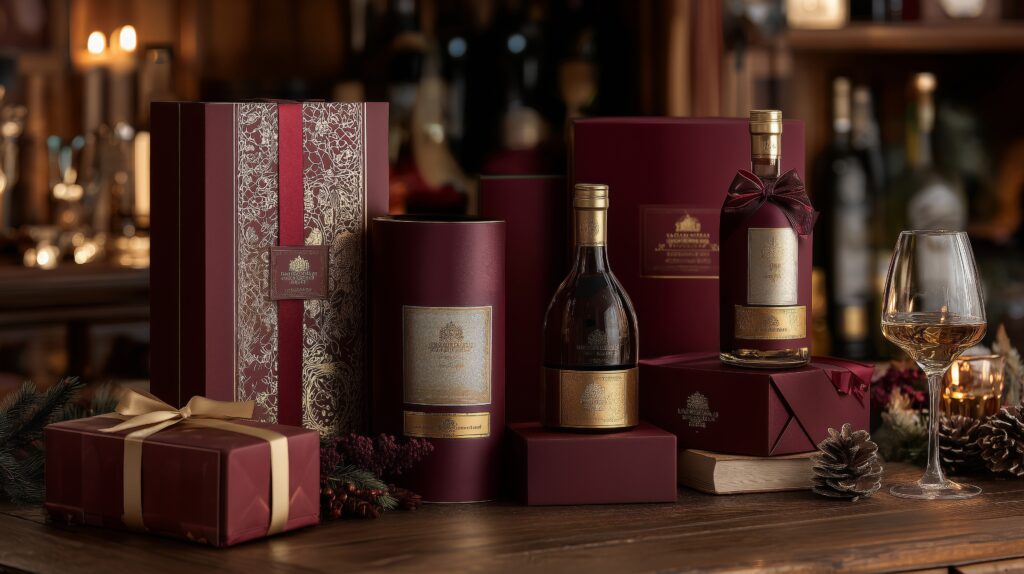
In the modern wine industry, packaging is much more than just a practical vessel or aesthetic flourish. Wineries strategically use packaging to communicate their brand values, shape consumer perceptions, and share their sustainability commitments.
Wine enthusiasts have become increasingly design-savvy and environmentally aware, leading wineries to rethink every element of their packaging. From the weight of glass bottles to the recyclability of labels and alternative vessels like boxes, innovation is breaking through past stigmas and helping wineries share their stories in creative ways.
Understanding today’s wine packaging landscape is crucial not only to meet customer expectations but also to operate efficiently and sustainably. Here’s a look at how wine labels, boxes, glass decoration, recycling, and design strategy all work together to create powerful, purposeful wine packaging.
The Role of Wine Labels: Storytelling, Sustainability and Shelf Appeal
Labels offer the quickest, most accessible, and often most emotional connection between a bottle of wine and your customer. Wineries use labels as brand storytelling tools, with minimalist designs, heritage-inspired typography, and regional icons.
They may also incorporate tactile elements, such as embossing and foil, to highlight a wine’s craftsmanship and luxury. Meanwhile, QR codes are becoming more common on wine bottles to connect people with information about tastings, tours, and sustainability details.
Regarding sustainability, eco-conscious wineries can work with paper suppliers and printers to create labels from recycled paper and that use water-based or UV-LED inks. Washable adhesives on labels can facilitate easy bottle recycling, while lightweight, compostable label stocks can further reflect your business’s environmental commitment.
Richard Hilske, co-owner of Cellar 426 Winery in Ashland, Nebraska, told The Grapevine Magazine about his winery’s approach to packaging. Cellar 426 Winery offers award-winning, Nebraska-crafted wines in a beautiful tasting room that’s halfway between Omaha and Lincoln. Established in 2012, Cellar 426 crafts its wines in small batches, so there’s always something unique and special each season.
“We approach packaging design with the goal of visually expressing each wine’s personality and our winery’s story,” Hilske said. “We offer two lines: our reserve wines feature a more elegant, refined look that reflects their premium quality, while our mainline wines use whimsical artwork and memorable names to create a fun, approachable feel.”
“These labels help our wines stand out and foster a personal connection with customers,” Hilske continued. “For example, Rocky’s Red is named after our first vineyard’s black lab and features his picture on the label — something that resonates strongly with dog lovers or anyone who feels a connection to his story.”
We also connected with Alicea Walley at Backyard Vineyards in Oklahoma City, Oklahoma to learn about this winery’s packaging strategy. Backyard Vineyards is located in the OKC Farmers’ Market District and offers tours, tastings, and space for private events. For special occasions, it offers a signature wine-blending experience and custom label design.
“We approach packaging design by connecting a story to every one of our bottles — stories that interlink across our entire line,” Walley said. “To remain sustainable, we avoid special etching or foils, focusing instead on sanitizing each bottle so it can be safely reused and repurposed.”
Rethinking the Weight, Shape & Footprint of Wine Bottles
Although glass bottles remain the primary staple of the wine packaging world, the industry has become more open-minded about bottle design, with sustainability in mind. For example, there has been a shift toward lightweight glass, as heavier bottles are a more carbon-intensive packaging choice. Thanks to technological advancements, lightweight bottles are still durable and visually appealing, with weights up to 30% lower than standard.
Some wineries have even been exploring uniquely shaped bottles and decorative finishes to package their wine. Screen printing, frosting, acid etching, applied ceramic labeling and custom embossing are all options available to wineries today. These options can give your wine a premium look and feel while elevating the perceived product value.
Also, regarding bottles, bottle reuse programs are gaining traction in some wine regions. You may now be able to find wineries and tasting rooms that offer bottle-return deposits and refillable wine vessels to reduce packaging waste and attract sustainability-minded consumers.
“Our new low-alcohol sangria line features bottles without capsules, reducing unnecessary packaging waste,” Hilske from Cellar 426 Winery shared. “We continue to look for opportunities like this to make our bottles, labels and shipping materials more eco-friendly.”
Changing Perceptions About Wine in a Box
Boxed wine used to come with a certain stigma, but perceptions are changing. No longer is the box reserved for budget, mass-market wine options. In fact, you can now find a variety of boxed wines marketed toward younger, sustainability-focused consumers looking for convenience, portability, longevity, and a reduced environmental footprint.
Boxed wine often requires fewer resources to package than glass bottles and reduces transportation-related emissions due to its lighter weight. There are more branding opportunities on boxed wine, with four full sides available for illustrations, messaging, tasting notes and storytelling.
Consumers are also recognizing and appreciating the convenience of boxed wine. If product quality is on par with wine in bottles, boxes offer a shatterproof, fridge-friendly option that’s ideal for entertaining guests.
“While we haven’t explored alternative packaging formats like boxed or refillable options yet, we recognize they are becoming more relevant as sustainability and convenience shape consumer expectations,” said Hilske at Cellar 426 Winery. “Traditional glass remains the best fit for our current wines and brand, but we see alternative packaging as an interesting opportunity for the future and something we may consider as the market continues to evolve.”
Decorating Glass Bottles with Craftsmanship & Modern Technology
Decorating glass bottles is an art form and a technological feat, giving wineries a creative way to differentiate their products from the competition. As a winery owner or manager, you might explore applied ceramic labels and UV ink technologies that offer a high-end aesthetic and enhanced durability, resisting scratches and moisture.
Although embossed bottles were once quite cost-prohibitive, expanded options have become somewhat more accessible to wine brands. To add luxury appeal and help bottles stand out, consider embossed logos and textured patterns on specialty or limited-release bottles.
Glass bottle decorating is taking a cue from sustainability mindfulness as well. Some eco-friendly frosting methods avoid the use of harmful chemicals, and lead-free ceramic inks are also available.
“Decorative elements like foil accents or embossed labels can help convey quality and uniqueness, but with rising costs we have to carefully balance visual appeal with overall expense,” Cellar 426 Winery’s Richard Hilske commented on the trend. “We focus on choices that enhance our brand while still being practical and cost-effective for our winery.”
The Circular Future of Wine Packaging
Wine packaging represents an excellent opportunity to embrace circular economic principles as you rethink how you consume resources and dispose of waste. To improve the recyclability of your packaging, you can choose labels with wash-off adhesives, use aluminum screwcaps instead of mixed-material screwcaps and avoid metallic foils. Minimizing plastic capsules also helps your packaging become more recyclable.
Some communities are moving forward with large-scale reuse systems that involve cleaning and sanitizing returned wine bottles. Wineries can offer refillable containers to their local customers and partner with zero-waste organizations to operate more sustainably. Innovative winemakers may even be inspired to launch pilot programs that allow customers to drop off empty bottles for deposit refunds.
But while many wine lovers want to recycle, they don’t know the specifics on how to do so correctly. You can help educate your customer base by providing recycling instructions on your wine labels or adding QR codes that link to local recycling guidelines.
“We recycle 20 to 30 cases of empty bottles each week, actively reuse wastewater in our production process and use eco-friendly corks — all helping reduce waste and lower our overall carbon footprint,” explained Cellar 426 Winery’s Richard Hilske.
Backyard Vineyards in Oklahoma City is a 51% woman-owned winery that connects with local women entrepreneurs to highlight their talents. The winery team believes in supporting local businesses and building community.
“We also support local businesses and artists by donating bottles for creative and practical projects, from rage rooms to sea-glass art,” shared Walley from Backyard Vineyards. “Our team is continually exploring new and innovative ways to strengthen our sustainability efforts and reduce environmental impact.”
Packaging Design Services for Your Brand Strategy
If you’re feeling overwhelmed with all the options and evolution of wine packaging as the industry diversifies, professional help is available. Many wineries consult professional designers and branding agencies to help them translate their history, values, and goals into visually cohesive packaging strategies.
Hired design services typically begin with a thorough customer analysis that examines competitors’ strategies, wine pricing, and your business budget. Integrated services from a professional designer can help you develop and refine your wine labels, bottles, boxes, capsules, closures, cartons, website, and social media platforms.
If sustainability is a primary concern for your winery, design companies can offer advice on optimizing materials, using lightweight bottles, and exploring alternative packaging formats. There are also opportunities here to look at recycled paper for labels, compostable label stocks, and reduced-ink-use techniques.
Focus on the Purpose Behind the Packaging
From bottles to boxes, labels, glass decorations and other design elements, packaging has taken on a whole new meaning in the wine industry. Packaging remains one of the most critical factors in branding, as it always has. But now, wineries are seeing new avenues to pursue their visions through greener materials, circular systems, and innovative designs.
Ultimately, the important thing to prioritize is aligning your packaging with your values and future business goals. By staying true to who you are and what you love to make, you can meet the evolving expectations of modern wine enthusiasts while reducing unnecessary costs and waste, resulting in a lower overall environmental footprint.

