Prevention & management practices to avoid the propagation and spread of fungal pathogens.
By: Judit Monis, Ph.D., Vineyard and Plant Health Consultant
Grapevine trunk diseases occur worldwide and are caused by bacterial, fungal pathogens, or a combination of both. Trunk disease fungal pathogens can be airborne and/or soilborne. These pathogens not only affect grapevines but other fruit and tree species and can be found colonizing the orchard or vineyard soil. Grapevine planting stock material can be infected with important pathogens. It is important to test and inspect nursery material for their presence prior to planting to avoid long lasting problems in the vineyard.
Disease Prevention and Diagnosis
The best way to manage and control diseases is to prevent the introduction of pathogens in the vineyard. Because of the complexity of infection, number of fungal pathogens and diseases they cause, none of the US-certification programs exclude trunk disease pathogens. Therefore, propagation material is expected to be infected with various fungal pathogens. As a first step, it is important to inspect the quality of the planting material (graft union integrity, lack of galling, absence of streaking or pitting). A laboratory and a knowledgeable plant pathologist are best suited to provide specifics of the fungal pathogens and diseases. Fungal pathogens can be cultured and isolated in specialized media. However, even when using selective media, microorganisms are known to compete among each other. A fungal species that grows faster will expand over others that grow slower, making the identification of certain fungal pathogens difficult to ascertain. In these instances, the diagnosis will be biased or the laboratory may not be able to report the disease causal agent unless sophisticated molecular methods are used. In some cases, the identification of the fungal taxonomic family (i.e., species of the Diatripaceae or Botryosphaeriaceae) isolated from a canker may be sufficient to decipher the cause of the problem and determine the best management practice. In the past, in my lab we developed methods to isolate DNA from these cultures to allow to determine a precise identity of the fungal species by sequencing its DNA. Recently, some commercial laboratories had started offering plant and soil testing using the next generations sequencing (NGS) technology also known as high throughput sequencing (HTS). This is a powerful method that allows a laboratory to detect any organism present in a sample. When NGS is applied, the complete sequence of the plant genetic material and its microbiome can be obtained. During preparation of the sample, it is possible to “enrich” the sequences of pathogens of specific interest. For example, the lab may amplify only fungal sequences prior to NGS, increasing the sensitivity of the assay. The data obtained is processed with software that analyzes the microorganism’s (beneficial or pathogenic) sequences present in the sample. The method can provide relative quantitative data, generally expressed in percentages, of each microorganism found.
Disease Management and Control
The implementation of appropriate sanitation measures at the nursery is most needed to produce high quality planting grapevine material. It is known that one infected vine can produce between 100 -200 vines each year, potentially producing a significant number of infected grafted plants. The use of hot water treatment (HWT) consists of soaking the plant material in hot water (122F = 50C) for 30 minutes at the nursery. In spite of the treatment reducing the population of fungal pathogens in the propagated vines, there are mix reports on the effect of the HWT on bud mortality. Reports in warmer winegrowing regions (e.g., Spain) have shown a lower effect on bud mortality compared to HWT in cool climate regions (e.g., Australia). The use of ozone is used and can be effective as a disinfectant in nursery settings. However, controlled studies carried out at the Universidad de La Rioja, Logrono, Spain has shown no effect of ozonated water on beneficial or pathogenic bacterial and fungal population when used in irrigation settings.
Many of the fungal pathogens that cause disease in grapevines are endophytic, meaning that they can live in the vine without causing disease. However, the same fungal species can become pathogenic during stress situations (lack of water, heat wave, etc.). Furthermore, because fungal pathogens cannot be completely eliminated in the vineyard once introduced, it is important to apply the best management practices available once planted at the vineyard. I recommend inspecting the mother vines and planting material to judge the quality of planting material. The high-quality planting material must be grown in well prepared and drained soil, at the correct season. Ultimately (and always!) the best practices in the vineyard must be applied (i.e., enough water, nutrients, etc.).
It is known that the effect of grapevine fungal pathogens increases as the vineyard ages because its fungal population continues to multiply yearly. Therefore, growers must adopt management and control measurements as soon as the vines are planted in order to prevent and minimize the propagation and dispersal of fungal pathogens.
Management at the vineyard should include trained personnel for pruning activities. In areas where the rainy season coincides with the pruning season it is recommended to prune as late as possible prior to bud break. Pruning late has the advantage that the produced wounds will heal faster, as the vines become active in the spring. Additionally, most fungal spores would have been depleted and unavailable to start a new infection, the later the pruning activity starts. If the vineyard size is extensive and does not allow workers to complete the activities before bud break, the double pruning method is recommended. This consists of pre-pruning the vines as soon as the dormant season starts, leaving canes of 1-2 feet long. In the late winter or early spring, pruning would be completed by leaving the desired number of buds per spur. The freshly produced wounds should always be protected using fungicides or a sealant such as Safecoat VitiSeal. I prefer the latter product because it provides a protective layer that does not allow the fungal spores to enter, does not affect beneficial fungi, and allows wound healing . During pruning it is important to avoid producing large wounds, cutting near the trunk, or pruning after long periods of rain. Finally, it is important to remove the vine residues in the vineyard floor as this would be a source of inoculum to start new infections.
Economic studies performed by Dr. Kendra Baumgartner and colleagues (USDA at the University of California in Davis) has shown that preventative methods (late pruning, double pruning, and pruning wound protectants) are sustainable only if applied before symptoms appear in the vineyard. Adopting these methods in older vines will not recover the cost of the treatments.
A more drastic disease management practice includes vine re-training also known as remedial surgery. The procedure consists of training a new shoot from the base of the trunk to replace the old decayed vine trunk or cordons. The technique can help gain some years of production but will not cure the vines from the disease as likely the pathogens are already established in the vine. When replacing vines, the grower must understand that many fungal pathogens can survive in remaining portions of the roots and soil, therefore new vines that are planted (even if free of bacterial or fungal pathogens) can become infected over time even if the vine roots are completely removed from the vineyard.
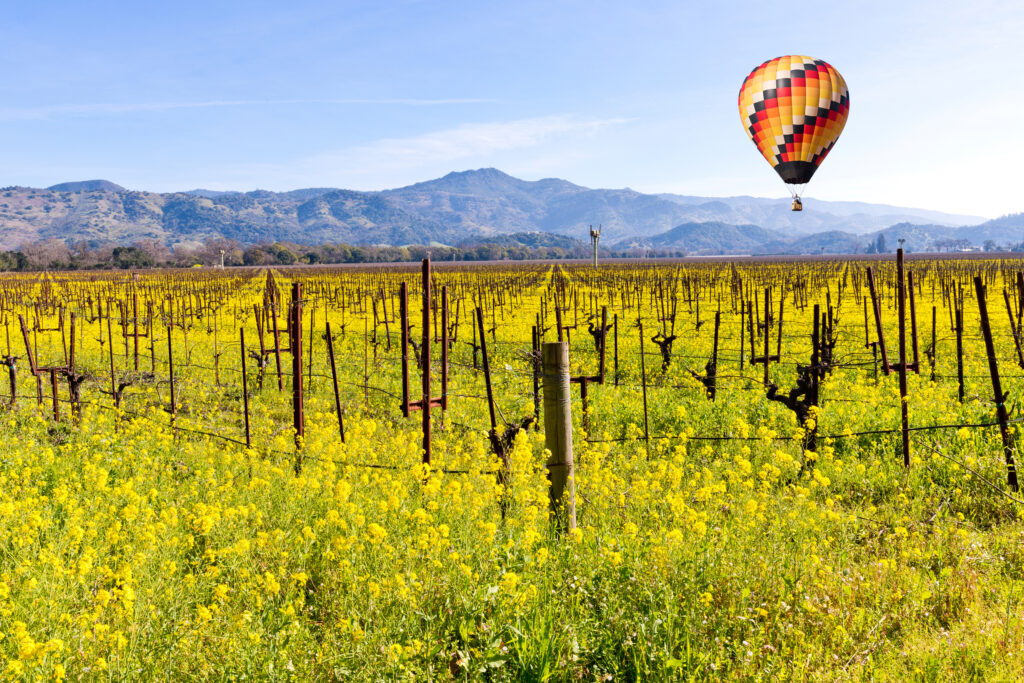
Other methods that have been reported for the management of fungal diseases include planting white or yellow mustard plants as cover crops that act as a biofumigant and the use of biological control agents such as Trichoderma species, and mycorrhizal fungi.
Conclusions
Due to the nature of fungal infections in the vineyard and surrounding areas, following precise management practices in the vineyard is the most important step in preventing disease development. Similar to viral and bacterial infections, fungal diseases are complex, as mixed infections are common and can exacerbate the symptoms in the vineyard. Consulting with a knowledgeable plant pathologist can help assess the potential of disease development based on the presence certain fungal species. The application of early and efficient diagnoses will help reduce the infection levels of propagation and planting material, consequently avoiding disease onset in the vineyards.
Judit Monis, Ph.D. is a California-based plant health consultant, provides specialized services to help growers, vineyard managers, and nursery personnel avoid the propagation and transmission of disease caused by bacteria, fungi, and viruses in their vineyard blocks. Judit is fluent in Spanish and is available to consult in other important grape growing regions of the word. Please visit juditmonis.com for information or contact juditmonis@yahoo.com to request a consulting session.

