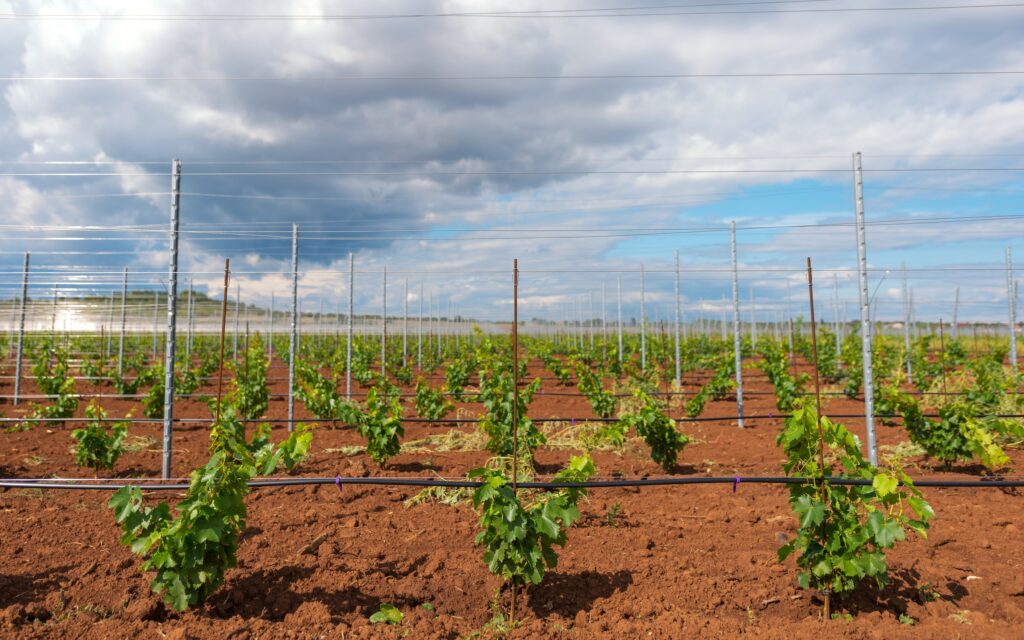
nursery row of vines in Spain

Disease Testing in the Vineyard

By: Judit Monis, Ph.D., Plant Health and Vineyard Consultant

Presently there are many laboratories that provide testing services for the detection and diagnosis of plant pathogens (disease causing agents).  It can be confusing to the grower, vineyard manager, and/or nursery staff to decide which laboratory to choose.  My recommendation is to work with a plant pathologist who can provide guidelines towards the best option.  At the time, there is no accreditation that is specific for grapevine diagnostic laboratories.  Therefore, each laboratory is free to develop their own testing and sampling methodologies.   

  My expertise in grapevine disease diagnostics and my past work on developing state-of-the-art testing laboratories puts me in a position to evaluate the different choices for my clients.  The short answer is that there is no “one lab that fits all”.  In my experience, it is best to choose a lab based on the knowledge and capabilities specific to the needs of the project. 

  This article will describe the different methods used for grapevine pathogen diagnostics and discuss how they are best applied depending on needs.  In some cases, you may have to submit samples to different laboratories to test their proficiency.  However, different labs may offer different services or may be more knowledgeable in the detection of  certain bacterial, fungal, or viral infecting pathogens.  Therefore, a lab may be a better fit depending on the testing needs.

Different Testing Scenarios

  Just as there are different laboratories that offer testing services, there are different reasons for submitting samples to a testing laboratory.  Generally, I am called to a vineyard to determine the cause of a problem after the vineyard was planted.  This is not an ideal situation, as I have to “play” detective to determine if the disease originated at the nursery (i.e., plants were infected before planting) or at the vineyard (i.e., transmission occurred after planting).  Therefore, planning before planting is of upmost importance.  It is best to learn that the propagation or planting material is free of important pathogens before planting either at a vineyard or the nursery. 

  It is possible that specific symptoms of disease are present and can help decide which tests to run.  But it is also possible that infected vines will not show any symptoms at all.   Depending on these different scenarios, I am able to help devise the best sampling  strategy as well as what laboratory would be best suited for each situation.

Description of Common Laboratory Methods

Microbiological Culture:  Fungal and bacterial pathogens can be cultured and isolated in specialized (selective or semi-selective) media.  However, microorganisms often compete with each other.  For example, saprophytic (those that feed in dead material) bacteria and fungi grow much faster than pathogenic ones.  Consequently, the faster organicism’s often outcompete  the slow growing ones, making the diagnosis of certain bacterial or fungal pathogens difficult.  Here is where laboratory expertise is important to avoid a biased diagnosis.  Often times the laboratory may not be able to report the disease causal agent by using a traditional microbiological culture, but could apply sophisticated molecular methods in combination with culturing methods.

  In some cases, the identification of the fungal taxonomic family (i.e., species of the Diatripaceae or Botryosphaeriaceae family isolated from a canker) or bacterial genus (Agrobacterium species isolated from a typical gall) may be sufficient to decipher the cause of the problem.  Phytoplasmas (a special type of bacteria that lack cell walls) and viruses cannot be cultured and their identification must be carried out using molecular and serological methods.

ELISA, PCR, RT-PCR, qPCR:  ELISA is the abbreviation for “enzyme-linked immuno-sorbent assay, and consists the binding of a protein (coat protein, in the case of a virus) on a plastic test plate that was coated with specific antibodies.  A positive reaction is seen when there is a change of color in the wells of the test plate (colorimetric enzymatic reaction). ELISA detection is limited to the amount of virus present in the sample.  Therefore, it is rare for contaminations when this method is applied in the lab.  ELISA is an antibody-based test, although it is different from the rapid home tests that detect the flu and COVID 19.  PCR, is the abbreviation for polymerase chain reaction (this is a molecular based test).  The technique allows the multiplication nucleic acid from the concentration of pathogen present in the vine.

  The process is specific, and utilizes copies of small portions of the pathogen’s genome (called primers) to start the copying process. The amplification is repeated many times, with each copy making more copies, so after the completion of an appropriate number of PCR cycles, more than a billion copies of the nucleic acid is produced. For RNA viruses the detection is done using RT-PCR (RT stands for reverse transcription, a molecular way of copying the RNA to produce DNA).  PCR and RT-PCR are sensitive techniques used for the detection of grapevine pathogens.  Quantitative or Real Time PCR is a modification of PCR that can provide the relative quantitation of the pathogen present in a sample (abbreviated as qPCR and qRT-PCR).

  The sensitivity and specificity of the detection of pathogens can be influenced by the season as well as the part of the vine from which samples are collected. While ELISA is generally thought to be less sensitive than RT-PCR, ELISA has a broader spectrum of detection and can detect a range of virus variants. On the other hand, PCR is very specific, this can be an advantage but also a disadvantage. 

  If the detection is too specific, it could miss the detection of isolates of the same virus even when small changes (mutations) are present.  TaqMan, is a special type of qPCR that in addition to specific primers uses a specific probe to increase the sensitivity of the test.  Because the test is so specific, it is known to miss detection of viruses prone to being mutated in grapevine samples.  

  This is why running both ELISA and RT-PCR consecutively is recommended for the reliable detection of grapevine viruses, as each method is designed to detect different portions of a virus.   Since Grapevine red blotch virus is a DNA virus, and ELISA is not available, I recommend that PCR is performed to amplify at least two different locations of the viral genome.

Rapid Tests for the Detection of Grapevine Red Blotch & Grapevine Pinot Gris Viruses

  A single use strip test based on the recombinase polymerase amplification (RPA) assay has been developed for the detection of Grapevine red botch virus (GRBV) and Grapevine Pinot Gris virus (GPGV).  The manufacturer claims that these tests can be performed in the field. However, to obtain reliable results, the assays should be conducted by experienced technicians in a clean laboratory.  If a lay person were to attempt to run this type of assay, the assay instructions must be carefully followed. 

  The protocol includes many steps that require measuring small quantities of reagents (microliters).   Thus, it is worthwhile to have an experienced laboratory run these tests.  Laboratory personnel are used to running different protocols and are trained to keep the sample and other materials free of contamination.  Another drawback of these rapid tests is that these are only available for two grapevine viruses.  As I have noted in other articles, the symptoms caused by grapevine pathogens can confused.  For instance, a negative GRBV result, may give a false reassurance that the vines in the vineyard are healthy when they could otherwise be infected with leafroll (GLRaVs), Vitiviruses, a combination of these, and/ or bacterial or fungal pathogens.

Loop-Mediated Isothermal Amplification (LAMP)

  Like PCR, LAMP is a nucleotide amplification method that uses primers to initiate the copying process of the pathogen’s nucleic acid.  It differs however as the reaction often does not require the extraction of nucleic acid and is performed at a constant temperature (isothermal).  These LAMP assays have been developed in South Africa for the detection of GLRaV-3 and at Cornell University for the detection of GRBV.  Training of the methodology for the detection of GRBV was covered in various sessions by the Napa Valley Vineyard Technical Group. 

  The technique is  more sensitive than PCR.  Because LAMP assays are very sensitive, it is prone to contamination (i.e., yield false positives).  Like RPA, the operator will need to follow carefully a protocol that requires the measurement of very small volumes of reagents.  The technology also requires the initial investment of laboratory equipment and a clean area to perform the operations.

Next Generation or High Throughput Sequencing

  The next generation sequencing (NGS) also known as high throughput sequencing (HTS) is a powerful method that allows a laboratory to detect any organism present in a sample.

  When NGS or HTS is applied, the complete sequence of the plant genetic material and its microbiome is obtained.  Generally, during the sample preparation, the pathogens specific sequences are enriched to increase the sensitivity of the assay (for example the lab may be interested in amplifying only fungal sequences).  The data obtained will be analyzed using a software that compares the bacterial, fungal, viral, or other microorganisms (beneficial or pathogenic) sequences present in the sample with those available in a database (known sequences that are published).  The method can provide relative quantitative data, generally expressed in percentages, of each organism found.  

  The NGS has been widely used in research and has allowed the discovery and characterization of important viruses such as Grapevine red blotch virus and many Vitiviruses. Presently, this technique is being applied commercially to test plant and soil samples for the detection of bacterial and fungal microorganisms.  It is recommended that a plant pathologist with expertise in bacterial, fungal, and/or viral taxonomy be available to associate the presence of the microorganisms found with disease symptoms (or potential disease development).

Why Results Can Vary When Submitting Samples

  Throughout my career I have heard the complaint of many clients about obtaining different testing results when samples are submitted to different laboratories.  This  can be due to operational errors by the lab personnel but can also could be due to submitting the wrong sample type or its labeling.  A false positive, is the reporting of a positive result when the sample is not infected.  This can be due to contamination in the lab but also due a mix-up in the field or in the laboratory.  There are many reasons for the reporting of a false negative: a lack of sensitivity of the assay used, the pathogen(s) are present in low concentrations, uneven distribution of certain pathogens in the vine.  Furthermore, submitting the wrong sample will not yield trust wordy results.  For example, once we received foliar samples to determine the cause of vine decline suspected to be caused by viruses.  However, the panel we ran showed no evidence of infection of the viruses associated with these symptoms. 

  When I visited the vineyard, during vine inspection I noted that every plant had huge galls caused by Agrobacterium vitis (now called Allorhizobium vitis).  Had the correct sample been submitted to the lab we would have been able to provide the correct diagnosis to the grower.

  To determine which laboratory is best suited for client’s testing needs, I frequently help perform inter-laboratory comparative tests.  This allows my clients to find a laboratory of choice to submit samples regularly.  The process involves submitting samples to different laboratories, requesting the same panel or tests and compare the results with what is expected.  For the process to work, it is important to collect and submit samples  with known infection status.  Further, the collector must be able to prepare homogeneous samples collected from the same vine material represented equally in each of the samples submitted to each laboratory.  My involvement in the process includes sample collection, interviewing  the laboratory manager to obtain more information on the personnel’s knowledge and capabilities, and analyses of results.

  Judit Monis, Ph.D. provides specialized services to help growers, vineyard managers, and nursery personnel avoid the propagation and transmission of disease caused by bacteria, fungi, and viruses in their vineyard blocks.   Judit (based in California) is fluent in Spanish and is available to consult in all wine grape growing regions of the word.   You can also schedule virtual vineyard consultations.  Please visit juditmonis.com for information or contact juditmonis@yahoo.com to request a consulting session.

Paying Homage to the Region’s Heritage and History

By: Gerald Dlubala

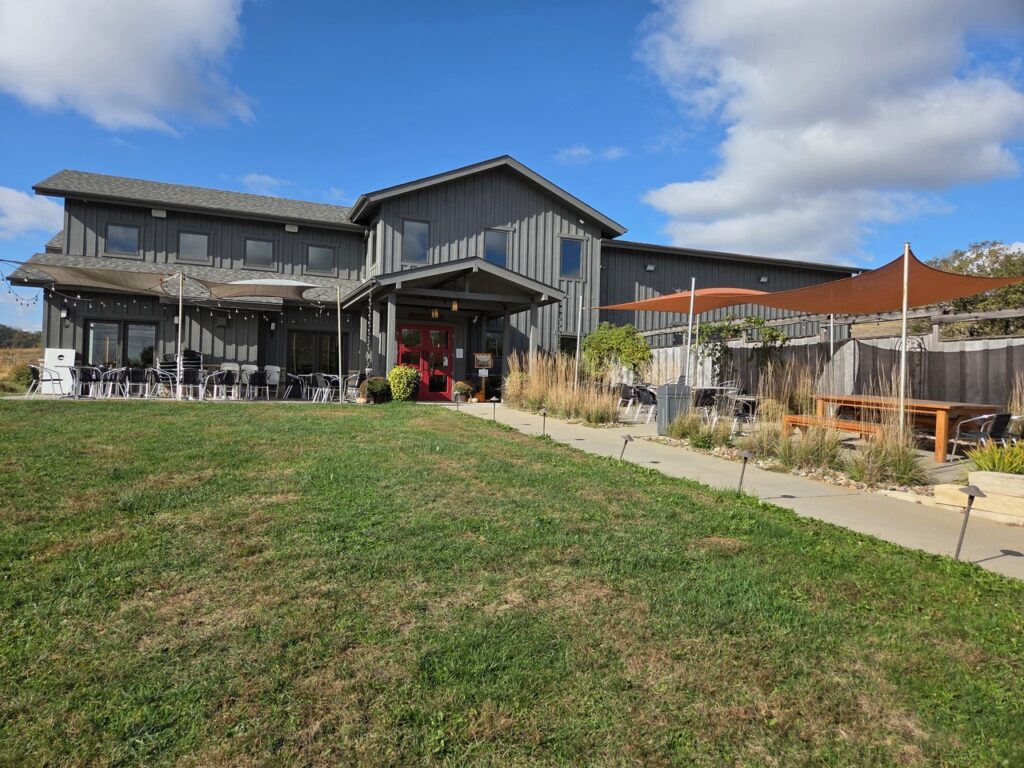
Bryce and Julia Flaherty appear to be typically busy parents, with Julia recently leaving her job to be a stay-at-home mom for their three children, all under the age of four, and Bryce holding down a physically and mentally demanding job as a full-time firefighter/paramedic. Now add everything that comes with owning, maintaining, and operating a family vineyard and winery to the mix, and you can see that the word busy, when describing Flaherty’s lifestyle, is quite the understatement. They purchased a 13-acre plot on a former golf course in LeClaire, Iowa, intending to start a vineyard and winery using Iowa grapes while honoring the region’s history. That was the birth of Olathea Creek Vineyard and Winery.

owners of the winery enjoying a UTV ride with their two sons

  “The property was an original 9-hole golf course for 30 years, with ownership plans to expand it to an 18-hole range,” said Bryce. “That plan never materialized due to health reasons of one of the owners. The course eventually closed permanently for about five years. When the property became too much to maintain, the owner sold it in lots. We took the opportunity to purchase a 13-acre plot to begin our dream of planting a vineyard and opening a winery here in LeClaire.”

  Olathea Creek Vineyard and Winery is named in reference to the property’s history. The former golf course was named Olathea Golf Course. Additionally, the property was once the campsite for the Sauk and Fox tribes. The word “olethe” is the Fox term for beautiful, which perfectly describes the vineyard and winery’s pleasing country setting and picturesque creek that serenely sits along the Mississippi River.

Hobbyist to Winemaker

  The Flaherty’s jumped right in with no previous vineyard, winery, retail, or service industry experience between them.

  “It was a huge learning curve for us,” added Bryce. “The Kirkwood classes and programs helped us out tremendously. They were heavy into hands-on training and experience, aimed at those who wanted to open wineries or were heavy home producers and growers, generally, those who produced at least 50 gallons annually for home use. There were four wineries that opened just from our class alone, so everyone was willing to share and bounce resources and ideas off each other. We shared good and bad recipes, contacts, and resources, and discussed problems winemakers ran into and how to fix them. It was a great group, and we continue to network and use these folks for any questions or resources we need.”

  “Additionally,” said Julia, “We learn, and continue to learn, through other winemakers and grape growers in our region through the Iowa Wine Growers’ Association. It is a very connected network open to sharing ideas and helping each other.

First Plantings

  The Flaherty’s planted their first grapevines in 2019. The first production was in the Fall of 2020, and by their third harvest, Olathea Creek Vineyard and Winery production came in at 5000 pounds.

  “I was ecstatic with that production,” said Bryce. “Currently, our two-acre vineyard contains about 75% Petite Pearl vines and 25% L’Acadie Blanc vines. The Petite Pearl is a red wine grape that we use for our darker, bolder selections, and is probably the closest we can get to a true cabernet within our climate. The L’Acadie Blanc is a white grape from Nova Scotia that we use for our dry white selections and a recent sparkling wine we’re making. We’re excited to be one of only two growers in Iowa making wine with L’Acadie Blanc grapes right now, and we’re one of only a few to make wine using both varietals.”

vines growing in the vineyard

  The Flaherty’s were concerned that because the ground was a golf course for 30 years, it could be over-fertilized and exceed the desired nutrient thresholds. However, numerous core sampling results showed optimal ranges for the soil, eliminating those concerns. Because the course was closed for five years before planting, the excess nitrogen had burned off. The vineyard had excellent, farmable soil in a rivershed landscape, only needing micronutrients due to normal wear and time.

  “All of our winemaking focuses on using Midwest grape varietals,” added Bryce. “Everything currently on our menu here is an Iowa-specific grape, and we work with other Iowa grape growers for use in the selections we don’t specifically grow here.”

  Bryce told The Grapevine Magazine that all production and processing are done on-site. For the first 3-4 years, everything was hand bottled, corked, foiled, and labeled. The Flaherty’s received a “Choose Iowa” grant for value-added agriculture and were able to purchase a bottling line to make their life a little easier.

  “We updated to a ViMeg 500 bottling line that fills and corks four bottles at a time,” said Bryce. “We still manually shrink wrap and label the bottles, doing 10-15000 bottles annually.”

Visitors Enjoy Great Wines, A Modern Farmhouse Vibe, And Country Scenic Views

  “We like to keep an open attitude towards wines because many people are nervous about trying new wines,” said Julia. “Visitors can have tasting flights upon entering our tasting room. Our wine tenders are truly knowledgeable in helping our guests choose tasting flights based on their likes and dislikes. We offer wine and chocolate pairings as well. But once you decide, you’re welcome to take your flight, glass, or bottle out back to enjoy while you take in our serene country setting and river views. We have a variety of indoor and outdoor seating, including a gazebo and a large patio and lawn area for outside seating.”

wedding set up on the vineyard

  “It’s a modern farmhouse vibe,” said Bryce. “We have the front six acres that includes everything now, with the open room in the back for future expansion. We’re close to town but still secluded outside. We encourage guests to wander the vineyard and enjoy all the property offers, including views of the Mississippi River, only about 100 feet from the property. Guests can come to hang out, or they can enjoy our scheduled special events or weekend live music events.”

  Located in the Midwest, sweeter fruit wines are the most popular, including Olathea Creek Vineyard and Winery’s raspberry and blackberry wines. Other, unique seasonal offerings include jalapeno-flavored and hibiscus-flavored wines. Olathea Creek Vineyard and Winery also have a returning core of dry wine drinkers who come specifically for their Petite Pearl and “The O.C.,” a premium dry white wine that mimics a quality chardonnay made from Iowa grapes.

Parties, Events, And Advice for Future Winemakers

  Olathea Creek Vineyard & Winery offers several outdoor areas to hold that special event, party, or wedding reception, including the gazebo overlooking the vineyard, an arbor wedding in the vines, or under an elegant chandelier on a white bridge with outdoor spaces located near the tasting room.

winery visitor on the patio

  “Our max capacity inside right now is around 99 guests,” said Bryce. “We have a small party room with a sweet spot of about 40-60 people, so we regularly host showers, family gatherings, and similar-style events. We can manage between 150-250 guests outside for larger weddings. Of course, there’s always anxiety over the weather for outdoor weddings, but those who have done it and rented tents have loved our facility and surroundings.”

  “It’s always been in our extended plans to build a wedding venue barn to be able to host larger weddings on a year-round basis,” said Julia. “For right now, we are in a smaller event niche. We do have live music and food trucks every other Sunday, yoga in the vineyard, wine and chocolate pairings, and this July 19th, we are partnering with Mississippi Bend Trykes to sponsor a 5k run to support children with disabilities and help provide specially made bicycles for those who cannot ride traditional bikes.”

  “We also offer winemaker series classes for those that want to learn more about winemaking in a little more detail,” said Bryce. “We offer those classes in things like sugaring, oak sampling, and more to pull the curtain back a little to allow interested guests a way to come in and learn the ropes of certain tasks and get an insider’s view of winemaking.”

  Bryce advised future vineyard and winery owners to develop a trusted network consisting of those who they feel comfortable leaning on for help, questions, contacts, and advice.

people in lawn chairs at the vineyard

  “Here in Iowa, everyone is so helpful,” said Bryce. “It’s a Napa-style attitude that no visitor comes to the area for just one winery, but they will come for a group of wineries. When we help each other individually, we’re helping to support the entire Iowa wine industry, and that’s good for everyone. Everyone here was more than willing to open their books, share contacts and resources, and share how we can all save money in our industry. No one may make the trip to visit just one winery, but they will make the trip to visit three or four and have a wonderful day of visiting and touring the area.”

  Another money-saving tip Bryce added was that many wineries are willing to take on help and use those people who are looking to gain valuable winery experience. Customers and interested people can fit into an apprentice role in many areas and help get tasks done quicker than if they had to do it all themselves. It’s a great idea for new or young, family-owned businesses.

  Olathea Creek Vineyard & Winery is open from 12-7 pm on Fridays and Saturdays, and 12-6 pm on Sundays. For more information on their wines and upcoming events, or to contact the Flaherty’s, head to their website or call:

Olathea Creek Vineyard & Winery

23456 Great River Road

LeClaire, Iowa 52753-9141

(563) 726-1892

www.olatheacreekwinery.com

julia@olatheacreekwinery.com

pretty very purple wine grapes

Sustainable and Organic Wines-Alternatives, Opportunities and Compliance

By: Louis J. Terminello and Brad Berkman, Greenspoon Marder LLP

It’s common knowledge that consumption of alcoholic beverages, in general, has been on the downslope. Wine sales in particular, as reported by SipSource, dropped by approximately 6% from 2023 to 2024. Gen Z is at the forefront of this trend and is choosing to consume alcoholic beverages that are perceived as being healthier alternatives to the usual fare. With that in mind, it might be useful to introduce a few wine-making certifications that are regarded as eco-conscious or “green” and carry the perception of being a healthier and sustainable alternative to traditional wine. In addition, this article will look at federal labeling requirements that must be considered when seeking TTB label approval for these wines, especially those carrying the reasonable consumer-alluring USDA Certified Organic seal.

Sustainable Practices

  Sustainable winemaking is arguably a broadly defined term that is applied to the winemaking process that minimizes or totally avoids the use of chemicals, especially pesticides. The practice of this sort of winemaking extends significantly beyond that limiting definition and can include other important impetuses such as environmental and social concerns.  Issues of responsible irrigation, water usage, energy consumption, and reducing the production of greenhouse gases can be included. For some certifications, safe and fair labor practices can fall within the rubric of sustainable practices and become an important part of the certification process.

  Communicating a winemaker’s efforts and commitment to sustainability is, at least on the wine label, conveyed by the affixing of the certifying organization’s seal, of which there are many.

  Regardless, the concept of sustainability and “green” practices go well beyond the mere affixing of a seal. The certifying organizations and those in the industry who follow their guidelines take the matter of sustainable practice very seriously. Moreover, a significant number of consumers consider sustainability when deciding on a wine purchase. The bottom line is sustainable practices, and their commensurately labeled wine may be good for the bottom line, as well as the environment.

  What follows are examples of a few sustainable certifying organizations, that, after meeting the organization’s requirements, are permitted to affix their seal to the label.

SIP Certified

  SIP Certified, based in Atascadero California, has been promoting sustainable winegrowing since 2008. SIP claims that the organization has certified 43,000 vineyard acres in California, Oregon, and Michigan, six wineries, and more than 63 million bottles of wine have been SIP Certified (as stated on their website). SIP is a membership organization whose members uphold values such as social responsibility, water management, safe pest management and energy efficiency among other values. According to the organization, it sets strict “non-negotiable requirements that measure environmental, social, and community impact of its members while assuring consumers that the product in their bottle was made with conscience and care.” There is a rigorous application and inspection process that if passed and adhered to, successful applicants may emblazon their products with the SIP seal.

For more informaion contact…

Whitney Brownie

Certification Coordinator

Email: whitney@vineyardteam.org

Phone: 805.466.2288

Beth Vukmanic

Executive Director

beth@sipcertified.org

Phone: 805.466.2288

Sustainability in Practice (SIP) Certified

5915 El Camino Real

Atascadero, CA 93422

The Demeter Association

  Demeter is another well-regarded sustainable practice association that focuses on certifying biodynamic wines. Sustainable and organic practices are part and parcel of biodynamics, but the concept of biodynamics goes beyond organic practices. Demeter and biodynamic producers take a “holistic approach to the wine-making process and treat the vineyard as a living organism.” Demeter adherents may incorporate such unique aspects as the lunar cycle in the growing and processing of grapes as well as certain soil preparations using unique ingredients not normally associated with traditional vineyard practices. Demeter is a worldwide organization and there are only a few wineries in the US that carry the seal.

For more information contact…

Demeter Association, Inc.

317 Church Street

Phoenixville, PA 19460

Phone: (541) 929-7148

Email: info@Demeter-USA.org

Certification Staff:

Evrett Lunquist – Director of Certification – Ext. 105 Office Hours 8-5 CST Mon-Friday

Sarah Rhynalds – Certification Manager – Ext. 209

rows of wine grape vineyards

Why Should I Get Grape Crop Insurance?

By: Trevor Troyer – Agricultural Risk Management

That is a question I hear a lot. It can make a lot of sense to purchase grape crop insurance, depending on the growing risks you are dealing with.  For others it might not be a perfect fit for them. Often times large growing operations may “self-insure” as they have money set aside for the upcoming season.  For a lot of growers this is not an option as a large portion of the previous year’s income is being re-invested into the new crop.  If they don’t make a good crop and sell it this year, they might not have enough money for next year. 

  Grapes are very different from traditional row crops or vegetable crops.  A lot of the risks are very much the same though.  Drought, freeze, wildlife damage, fire/smoke and the list goes on. From what I can see the risks are actually more with perennials.  Your vineyard is subject to the elements and other risks all year round.  Things may happen after you harvest that might affect the following year’s grape production.  You might have a late frost and lose your primary buds.   There might be a fire 20 miles away that could ruin your crop’s value.

  Risks are different depending on growing regions throughout the US.  You might have grower in Pennsylvania or New York worried about frost/freeze and then a grower in Sonoma or Napa County in California worried about smoke taint.  Regional issues play a large part in decisions on whether or not crop insurance is right for you.  Also, grape variety can play a large part in your decision making.  And then how much coverage is needed for the risks involved in making a good profitable crop.

  With rising production costs, tariff and trade issues this makes decisions on crop insurance even more tricky.  Chemical prices are rising, fertilizer is at an all-time high shipping and labor costs are also up.  Can you afford to purchase crop insurance? Can you afford not to have it with how much you have invested now? These are questions that have to be asked.  I have had growers ask about reducing their coverage as these production costs go up.  You then have to ask how much of a loss can you sustain and not have it affect your ability to keep growing.  Can you lose 20% of your tonnage?  What about 40%?  That is something you have to think about.

  Crop insurance is designed to help a grower have enough money to be able to produce a crop the following year.  It is not set up to replace profits lost.  I have had winery owners complain to me that it doesn’t cover the cost of how much their wine is worth.  While I can totally understand this, it is the growing costs that are being insured against loss.

  Crop insurance does not cover the production costs of making wine or juice etc.  Only Causes of Loss listed in the policy are being insured against.  It doesn’t cover the inability of a grower to sell his grapes or broken contracts with wineries or processors.  It does cover grape quality issues due to an insured Cause of Loss like smoke taint due to a Fire.

  Here are the Causes of Loss for Grapes out of a National Fact Sheet from the USDA:

Causes of Loss

You are protected against the following:

•    Adverse weather conditions, including natural perils such as hail,frost, freeze, wind, drought, and excess precipitation;

•    Earthquake;

•    Failure of the irrigation water supply, if caused by an insured peril during the insurance period;

•    Fire;

•    Insects and plant disease, except for insufficient or improper application of pest or disease control measures;

•    Wildlife; or

•    Volcanic eruption.

Additionally, we will not insure against:

•    Phylloxera, regardless of cause; or

•    Inability to market the grapes for any reason other than actual physical damage for an insurable cause of loss.

  Crop insurance is partially subsidized through the USDA. Premiums are subsidized from 100% at Catastrophic Coverage (there is an administrative fee though) to 38% depending on coverage level chosen.  A lot of growers “buy-up” coverage from 65% to 80% and their premium subsidy is around 50% to 60%. Crop insurance is more likely to pay out a claim than any other type of insurance.  

  Premiums are more expensive than a lot of other types of insurance, this is why the premiums are subsidized. The subsidy makes your premium much more affordable.  You do not hear too often of people that have had an auto accident 3 years out of 5, with a claim paid each of those years.  But I have seen vineyards have payable losses 3 out of 5 years.   No one wants to have a loss but they do unfortunately happen.

  Hopefully you don’t have a lot situations where you have a loss.  But as a grower you need to assess your risks and take action.  These have to be taken into consideration for the growing region your vineyard is located in. Here are some other questions to ask yourself. What are your break-even costs?  Do you know your cost of production with projected inflation? Have you evaluated the risk of a severe crop loss? What varieties are planted in your vineyard?  Some types of Vitis vinifera are more susceptible to weather issues than others. Are you able to repay current operating loans without crop insurance in the event of a loss?

  Grape crop insurance is available in the following states; Arkansas, California, Colorado, Connecticut, Idaho, Maryland, Massachusetts, Michigan, Minnesota, Mississippi, Missouri, Nebraska, New Jersey, New York, North Carolina, Ohio, Oregon, Pennsylvania, Rhode Island, Texas, Virginia and Washington state.   Crop insurance may not be available in all counties in these states, though. 

  My job is to help you make an educated decision, based on your risks, on whether or not you need crop insurance.  And then, if it is a good fit to mitigate your risks, to determine how much coverage is needed. 

bubbles in liquid that is wine

What is Pét-nat?

By: Becky Garrison

Pét-nat is short for pétillant-naturel, which means “naturally sparkling” in French. It refers to sparkling wines that complete fermentation in the bottle. Patrick Rawn, Vineyard Operations for Two Mountain Winery (Zillah, WA) describes the process in producing pét-nat versus sparkling wines made using the traditional method (also known as méthode traditionnelle or méthode champenoise). “Unlike traditional sparkling wine production where you bottle the base wine with a bit of additional juice for a secondary fermentation in the bottle, pét-nat is bottled partway through the primary fermentation process.”

  Brian Rudin, Winemaker / General Manager at Echolands Winery (Walla Walla, WA) describes pét-nat as a fun diversion from the traditional architecture of “champagne-methode” due to its lighter carbonation and more creative license on style, along with an embrace of the “farmhouse” aesthetic. “While there is huge diversity in styles across pét-nats, what they share in common is divergence from the mold cast in champagne – they can be delightfully sparkling and full of personality without pretense or adherence to an established style. It is an enclave of avant-garde winemaking, for sure.”

  Matt Austin, Owner/Winemaker at Grosgrain Vineyards (Walla Walla, WA), concurs, adding that “with less control over the winemaking process, they can be a bit wild compared to other styles of sparkling wine, but therein lies the charm.” As a wine producer who works in a low-intervention style in general, Austin likes that pét-nat can be made with very little or no additives involved in the winemaking process. “While this can be more challenging than the production of other methods, the reward is a product that is more unique, and that fully expresses our terroir.”

  Jay Anderson along with his sister Lisa established Foundry Vineyards + Pét Project in Walla Walla, WA with the intention of focusing solely on pét-nats. According to Anderson, Winemaker and Creative Director, “Pét-nats can vary widely depending on the grape variety and the winemaker’s approach—they can be clean or a little cloudy, fresh and juicy or more rustic and wild. Overall, you can expect a pét-nat to be a unique, energetic, and lively sparkling wine.”

  At Foundry Vineyards + Pét Project, Anderson makes several styles that highlight different grape varieties and vineyard sites. These include the fresh, acid-forward Sunlight Cuvée (Chenin Blanc & Chardonnay), the aromatic Orange Cuvée (Pinot Gris, Riesling, Gewürztraminer, Muscat Ottonel), a savory red pét-nat made from Syrah, and our Perpetual Cuvée (Pinot Noir & Chardonnay), which is a multi-vintage pét-nat inspired by grower Champagnes and solera systems or aging. Their pét nats are sealed with a crown cap, which is common for the style, and reflects the fun, casual nature of these wines, which need not be reserved for celebratory moments like Champagne often is.  These don’t require long aging and are best enjoyed in their vibrant youth.  These are great apertif wines, but are also quite versatile for food pairing due to the freshness, acidity, and low alcohol levels. While many pét-nats contain yeast in the bottle they riddle and disgorge to remove the yeast and produce a more approachable style. 

  In crafting his pét-nats, Rudin relishes the opportunity to rethink the creative process to make something fun and unexpected in a world filled with boring cliches. “You can use any variety, make it any style, and make a completely irreverent wine, as long as it tastes great and delivers joy,” he opines.

  Also, pét-nats afford Rudin the opportunity to embrace the uncontrollable side of winemaking.

  While winemakers normally want to control the process, with pét-nat, you are decidedly never in control. So you relinquish your ability to make clear, polished wines in favor of letting nature take its course inside each bottle. And the result is that each bottle is slightly different, but all bubbling forth with personality and unrestrained expression. No filtration, no cold or heat stability, no guarantee on final residual sugar or bottle pressure. You just have the natural fermentation processes inside each bottle determining how each will taste. If you get the base wine right, you’ll end up with thousands of fun bottles of fizz that are each a little different, in a charming way..

Challenges of Producing Pét-nats

  In Rudin’s estimation, the biggest challenge is bottling the wine during harvest, as it is approaching dryness in tank. “You want to bottle it somewhere between 1.2% and 2.0% residual sugar, so that it ferments to the right bottle pressure (half to two-thirds of traditional method Champagne) and so you need to be able to do it right away once it reaches that point.” As he notes, since this happens during the busiest time of year: the second month of harvest, it becomes a labor of love.

  The second challenge is the need to disgorge the bottles by hand. With traditional method champagne, disgorgement can be automated since there is very little bottle variation. But with Pét-nat, bottle variation is the norm, so it can be disgorged better by getting human eyes and hands on each bottle, and doing it by feel. Since this process takes a long time, Rudin assembles a big crew and makes a week of it, dusting off their best stories and jokes for the long days.

  Austin adds that with the traditional method of sparkling wine production, you add a precise amount of sugar to determine the amount of pressure in the bottle, whereas with pét nat you have to bottle at the stage of the initial fermentation where there is the desired level of sugar remaining in the grape must. In addition, they can’t stabilize the wine with fining and filtration as is done with most other styles, so great care is needed to produce a wine that will not gush when opened. Also, the lack of protective sulfites requires great care with winery sanitation to avoid producing a wine with overt flaws.

Marketing and Educating Consumers About Pét-Nat

  Anderson markets their wine through the Foundry Vineyards’ tasting room, retail and restaurant placements, along with educational content on their website and Instagram. Press coverage and storytelling help introduce pét-nat to new audiences. Also, they traveled to France to participate in a pét-nat-only wine fair, thus deepening their connection to the global pét-nat community.

  At Ecolands Winery, they release their pét-nat made from a rose of Cabernet Franc on Bastille Day every year in the middle of July. This release ensures that people can have some cold ones on hand for the hot summer months. Most of it is sold right at the winery, so they can give a little explanation for the uninitiated.

  Since Two Mountain Winery has no aspirations to be a sparkling wine house, pét-nat enables them to play around without purchasing the specialized equipment needed to produce a traditional sparkling wine. Hence, they can experiment on a small scale by making a couple of pallets that they sell direct to consumer. They feature their pét-nats at wine club events while holding some back for holidays like New Years when people are in a sparkling wine mood.

  In Grosgrain Vineyard’s tasting room, the preface these wines with a discussion of how they are produced and why they are different from Champagne or Prosecco. Austin finds that customers across the spectrum enjoy learning about pét nat, adding that these wines tend to be amongst their fastest sellers.

  As consumers are becoming more aware of the additives that are used in the production of the food and beverages that they consume, Austin thinks they would likely be surprised at the long list of unappetizing products that go into some mass-produced wines. Hence the appeal of pét-nat wines since they can be made with one ingredient: grapes, and preferably ones that are organically grown.

mealybug in the vineyard

The Vine Mealybug

By: Gerald Dlubala

Winemakers face multiple challenges daily. One of the biggest and most important challenges is managing and keeping pest damage within their vineyards to a minimum. Battling pest infestations can be daunting because just as pests can be in the soil, they also can feed on every part of your vines, from the root up through the vine, leaves and fruit clusters.

  Additionally, many are undetectable during visual inspections, making it essential for vineyard managers to implement an integrated pest management (IPM) system to maintain higher yields with better quality fruits in a more vibrant and vigorous growing climate.

  Some of the more common vineyard pests include phylloxera (a microscopic aphid that feeds on the roots of grapevines), roundworms (nematodes), grapevine moths and leafhoppers.

  However, the most damaging pests may be mealybugs – in this case, vine mealybugs.

The Vine Mealybug Invades Grapevines from Root to Cluster

  The vine mealybug develops through seven stages: the egg, the first, second and third instar nymph stages, the prepupa, pupa and finally into an adult. Eggs are golden-yellow and contained in a cotton-like egg sac (ovisac), each sac containing 300 to 500 eggs.

  Nymphs are smaller than, but comparable to, an adult female. The prepupa and pupa stages are only evident in the male. After a complete metamorphosis, the winged male emerges from the pupa, dark orange with long tail filaments and transparent wings. Males have no mouthparts. Females are larger, up to 3 millimeters more voluminous, and elongated-oval with no wings. The female vine mealybug is covered with a fine waxy material, with 18 wax rods around the edge of its body, two slightly longer filaments at its tail section and a dark, longitudinal stripe running over the body.

  The vine mealybug’s life stages occur while it inhabits the vine year-round, depending on the grape growing region. Nymphs are located under the bark, at a graft union, on a trunk pruning wound or below the base of spurs. Some areas also have vine mealybug eggs, crawlers, nymphs, and adults within developing buds and on roots.

  As temperatures moderate and start to warm, vine mealybug populations can increase and become more easily apparent with visual inspection. The pests move to the cordons and canopy. By late spring and into summer, the vine mealybugs are under the bark and on all parts of the vine, including the trunk, cordons, canes, leaves, clusters, and roots. Mealybugs can be transferred from vineyard to vineyard or from plant to plant through unsanitized garden tools and equipment, clothing and even by hitching a ride on ants to other parts of the plant.

  Kent Daane knows about vine mealybugs. Daane is a cooperative extension specialist at the University of California Berkeley. He studies different mealybug populations worldwide and focuses on large-scale management tactics. Daane sees opportunities to reduce vine mealybug populations in the same way that previous pest control eradication programs helped with the European grapevine moth, a combination of neighborhood-driven monitoring, trapping, spraying, and mating disruption programs.

  In a recent podcast for www.vineyardteam.org, Daane explains how the vine mealybug spreads and how grape growers can band together and manage the pest. His focus was on the regions where grape growers hold the grapes on the vine for extended periods to build up brix levels. That’s when and where he sees the greatest damage occurring.

  Daane said that growers are constantly adapting, improving, and changing. Spraying is an expenditure in time and money, and growers are always looking to reduce insecticides while being more efficient with fewer materials. That desired efficiency may come with more timely spraying, the use of natural enemies and mating disruption.

  Daane added that it can come down to costs, which usually indicates a tradeoff. If a grape grower wants to use mating disruption, they may be able to reduce the use of insecticides. The organic vineyard may require more frequent applications, sometimes every 10 to 14 days, because of the shorter residual time. If they intend to spray while also releasing beneficial insects, that timing becomes even more critical. Enhancing natural enemies will enhance generalist predators, so cover crops, pollen and nectar come into the conversation. Additionally, using natural enemies like ladybird beetles, green lacewings and minute pirate bugs means remaining patient enough to let them work and increase their population.

  For those that are spraying, Daane says that the number one thing you can do to enhance and keep beneficial insect populations is to spray your vineyard in sections and at different times so you’re not spraying the whole vineyard at one time, providing a refuge for beneficial insects. Growers using beneficial insects must find a balance between chemical and biological to preserve those good predators. By leaving some of the area unsprayed, you’re leaving a refuge in which the beneficial insects can move to and survive. Most natural enemies of the mealybug are winged as adults, while the female mealybug is slow-moving and never winged.

  Additionally, Daane said that because there are several different mealybug species, it’s important to know which species is in your vineyard so that you can apply the proper pest management program. A local extension office can help identify collected samples if there are any questions.

Suterra LLC, the Global Leader in Environmentally Sustainable Pest Control

  Suterra’s products treat millions of acres of tree fruit, nut, citrus, vine, and vegetable crops annually across five continents. Their products use naturally occurring compounds like pheromones, resulting in non-toxic modes of action with no harmful residues left on food. Additionally, their products do not leach into soil or groundwater like conventional or more traditional pesticides. Suterra’s Integrated Pest Management systems provide solutions for vineyard pests, including the vine mealybug, by using pheromones to disrupt their mating pattern, effectively decreasing populations.

  Emily Symmes, PhD, and senior manager in technical field services at Suterra, tells The Grapevine Magazine that preventative control of vine mealybug is more critical than ever in today’s wine industry.

  “With rising production costs, labor shortages  and increased regulatory pressures on chemical use, proactive vine mealybug management is essential to prevent costly infestations,” said Symmes. “Cutting back on pest management to save costs may seem tempting, but neglecting vine mealybug control can lead to severe infestations, reduced yields, lower fruit quality, a greater need for expensive corrective treatments and ultimately, greater financial losses. Prevention helps maintain vineyard health, fruit quality and overall profitability in an already strained industry.”

  Symmes added, “Unchecked mealybug populations and leafroll viruses can spread rapidly across vineyards, requiring more costly interventions and premature vineyard replanting, a major capital expense. Vine mealybugs produce honeydew, which leads to sooty mold that can compromise grape quality and lower the value of fruit at harvest. Moreover, they are primary vectors of Grapevine Leafroll-associated Viruses (GLRaVs), which reduce vine vigor and lifespan.”

  In a competitive market, maintaining premium fruit quality is critical for securing contracts and achieving profitable pricing and long-term vineyard sustainability. Investing in consistent, proactive control helps avoid this compounding cost and preserves vineyard assets for future profitability.

Incorporating a Strategic Approach to Optimize Pest Management

  Vineyard owners and managers have options when it comes to pest solutions. They can choose the method or methods that are optimal for their specific vineyard, considering the types of grapes grown, the size of the vineyard and the extent of their pest problems. A proper and effective pest management solution should feature a combination of pest management solutions.

  “Growers can optimize their pest management programs by focusing on early interventions, (monitoring and treating infestations before they escalate), using mating disruption to proactively reduce populations and minimize insecticide use, encouraging biological control organisms for effective natural pest suppression and employing targeted applications with chemical rotations to mitigate insecticide resistance,” said Symmes.

  “Mating disruption is a highly effective preventative tool for controlling mealybugs and reducing virus spread. It also enhances the effectiveness of other pest management strategies. Options include Celeda™VMB vapor dispensers for year-round control and CheckMate®VMB-F, a sprayable formulation for precision timed pheromone applications. These solutions provide a cost-effective, sustainable approach to long-term vineyard health.”

  Celeda™VMB was developed by Suterra’s team of chemists, engineers and materials scientists for maximum performance and longevity controlling vine mealybug. CheckMate®VMB-F is the world’s first and only sprayable option for vine mealybug control. It easily fits into any growers’ existing integrated pest management program. CheckMate®VMB-F is tank-mixable with common agrochemicals and works well with nearly any water volume.

  “A well-managed vineyard remains more resilient in difficult market conditions, producing high-quality fruit that retains value,” said Symmes. “Strong pest control also prevents virus spread, protecting not only individual vineyards but the broader winegrowing region. By maintaining vine health today, growers ensure their businesses remain viable and competitive when the market rebounds.”

  For more information about Suterra, to ask a question or to find how they can help you with your Integrated Pest Management (IPM) program, visit Suterra LLC at www.suterra.com

Wine Marketing Association of Ontario-Icewine Celebrations

Freezing Grapes as a Pre-Fermentative Technique

By: Aude Watrelot, PhD – Department of Food Science & Human Nutrition, Iowa State University

Temperature plays a critical role in winemaking, influencing everything from fruit cleanliness to fermentation smoothness and wine stability. Proper temperature management helps reduce microbial spoilage risks, extract phenolic compounds, and preserve aroma and color, all of which contribute to the overall quality of the wine. Cold temperatures can be strategically used in several pre-fermentation techniques, such as cold soaking (or cold maceration), cryomaceration, and freezing grapes, to optimize these outcomes.

Cold Maceration: Enhancing Color and Flavor

  Cold soaking, particularly common for red grapes, involves storing harvested grapes in a tank or bin, where they remain in contact with the must at low temperatures (typically between 10°C and 15°C) for a few days (3-5 days). This process reduces the risk of oxidation and microbial spoilage while preventing the onset of alcoholic fermentation. During this period, sulfur dioxide is often added to further minimize microbial activity.

  The primary goal of cold maceration is to extract phenolic compounds—such as anthocyanins and tannins—from the grape skins, seeds, and flesh. These compounds significantly impact the color, flavor, and overall quality of the wine. Anthocyanins, the red pigments in grape skins (and sometimes flesh, in “teinturier” varieties), are water-soluble and easily extracted into the must. Condensed tannins, which are chains of flavanols found in grape skins and seeds, play a key role in wine structure. They not only help create stable color pigments by interacting with anthocyanins, but they also contribute to astringency, serve as antioxidants, and improve the wine’s aging potential.

  Although cold soaking is widely used, the impact on the final wine quality can vary depending on grape variety, soaking duration, and temperature. The degree of tannin and anthocyanin extraction differs based on these factors, so it’s important to tailor the technique to the specific needs of the grape variety.

Cryomaceration: Freezing Grapes to Maximize Phenolic Extraction

  Cryomaceration takes cold soaking a step further by freezing grapes at temperatures between 0°C and 10°C. This freezing process disrupts grape cells, breaking open their vacuoles and facilitating the release of phenolic compounds. Freezing below 0°C, as seen in ice wine production, enhances this effect by further breaking down cellular structures and making the extraction more efficient.

  While ice wine production typically focuses on white grapes, the freezing technique can also be applied to red grapes. After harvesting, grapes can be frozen and then thawed prior to fermentation. This process is especially useful for red grape varieties that tend to have less color stability, lower tannin content, or a limited aromatic profile. For example, cold-hardy red varieties like ‘Marquette’ and ‘Frontenac’, commonly grown in the US Midwest, Northeast, and Eastern Canada, have specific chemical characteristics that make them suitable candidates for this technique. These varieties tend to have high acidity (from their Vitis riparia genetic background), abundant anthocyanins, and lower tannin levels, which can make phenolic extraction challenging during traditional winemaking.

A Study on Freezing Grapes: Marquette and Frontenac Case Study

  A recent study led by Iowa State University enology assistant professor Aude Watrelot explored the effects of freezing grapes before fermentation on the phenolic and color profiles of wines made from Marquette and Frontenac grape varieties. In the study, three batches of each variety were frozen at -10°C for five months, while control batches were directly destemmed, crushed, and fermented without freezing.

The results showed some interesting insights:

•    Alcoholic fermentation took two days longer to be complete in the frozen grape batches, likely due to the higher availability of sugars released during the freezing process.

•    The pH of musts right before fermentation was significantly higher in Frontenac control (pH of 3.38) than in Frontenac frozen condition (pH of 3.28), while the opposite was observed in Marquette musts (pH of 3.02 in control and pH of 3.05 in frozen condition). These differences were not observed in the wines at bottling.

•    The titratable acidity (TA) was statistically different in musts and wines of Frontenac and Marquette. At bottling, the TA was twice higher in the frozen condition wines than in control wines.

•    The phenolic concentration in the must was the same between the frozen and control batches, but the musts made from Frontenac grapes had higher phenolic concentrations overall compared to the musts made from Marquette grapes.

•    The concentration of phenolics in the Frontenac wines was lower at pressing and bottling in the frozen samples compared to the control, likely due to phenolics being adsorbed onto broken cell wall material during freezing.

•    Tannin concentrations were low in the must of both treatments, as a result of the low solubility of tannins in aqueous solutions. However, Frontenac control wines contained 50% more tannins at bottling than the Frontenac frozen samples. No significant difference in tannin levels was observed for Marquette wines.

•    Color intensity was noticeably higher in the frozen must compared to the control, but this difference was not maintained in the final Frontenac wines at bottling. In contrast, Marquette wines at bottling still retained higher color intensity in the frozen samples.

  These results indicate that freezing grapes can enhance color intensity early in the process, but the long-term impact on wine quality may be less promising without additional steps to balance tannin and anthocyanin interactions.

Conclusion: A Valuable Tool for Certain Varieties

  Freezing grapes as a pre-fermentation technique can be beneficial in extracting phenolic compounds and enhancing color intensity in musts, particularly for cold-hardy red grape varieties like Marquette and Frontenac. However, its long-term effectiveness on the finished wine’s color and structure may not be as pronounced without additional treatments, such as the addition of tannins from other sources, to ensure stable pigment formation.

  Winemakers could consider freezing as part of an integrated strategy for improving wine color and phenolic content, especially when working with varieties known for having less color stability or lower tannin content. It’s essential to tailor this technique to specific grape varieties and wine goals to achieve the best results.

About the Author:

Dr. Aude Watrelot is an Assistant Professor of Enology in the Department of Food Science and Human Nutrition at Iowa State University. Dr. Watrelot’s research area is fruit, grape and wine tannin and polysaccharide chemistry and their relationship with wine quality. Dr. Watrelot graduated with a PhD degree in Food Science from the French National Institute for Agricultural Research (INRA) and the University of Avignon in France. Following graduation, Dr. Watrelot moved to California both at CSU Fresno and UC Davis to keep conducting research into polyphenol-macromolecular interactions on red wine chemistry.

  At ISU, she is currently conducting research and developing Extension programs on understanding viticultural and winemaking practices that could maximize phenolics extraction and improve wine quality. She has developed extension programs such as webinars, workshops, field days, articles to answer the growing wine industry in Iowa and in the Midwest.  She is currently serving as the chair for the American Society of Enology and Viticulture – Eastern Section (ASEV-ES) and as the vice-president for the Groupe Polyphenols.

References:

1.   Aleixandre-Tudo, J.L.; du Toit, W. Cold Maceration Application in Red Wine Production and Its Effects on Phenolic Compounds: A Review. LWT 2018, 95, 200–208, doi:10.1016/j.lwt.2018.04.096.

2.   Cheng, Y.; Wimalasiri, P.M.; Tian, B.; Watrelot, A.A. Influence of Grape Flesh on the Retention and Composition of Polyphenols from Skins and Seeds. J Agric Food Chem 2024, doi:10.1021/acs.jafc.4c00612.

3.   Sperotto, G.; Marçal, E.N.; Campos, F.M.; de Souto, V.O.; Comparin, S.J.; Nogueira, A.; Lazzarotto, M. Cold-Driven Strategies as Pre-Fermentative Techniques on Winemaking: A Review. Food Chemistry 2025, 463, 141504, doi:10.1016/j.foodchem.2024.141504.

4.         Watrelot, A.A.; Delchier, N. How Does Extended Maceration Affect Tannin and Color of Red Wines from Cold-Hardy Grape Cultivars? Foods 2025, 14, 1187, doi:10.3390/foods14071187.

Field of Chardonnay

The Growth of Chardonnay in Willamette Valley

By: Becky Garrison

The Oregon Chardonnay Celebration, held this year on February 22, 2025, was founded as an industry event designed to share best practices and insights on how to best elevate Oregon chardonnay and change the narrative that Oregon can’t grow chardonnay. Today, the event is a consumer-focused wine and food festival held during the Dungeness and truffle season in Oregon, two items that pair very well with chardonnay.

  This year’s sold-out celebration, “The Elements of Chardonnay: An Oregon Chardonnay & Culinary Celebration,” was held at The Allison Inn & Spa (Newberg, Oregon). At this event, nearly 400 attendees sampled wines from 61 participating wineries along with chardonnay-friendly savory bites prepared by Allison’s culinary team, including executive chef Jack Strong and featured guest chefs.

  Most reported accounts credit this rise of Willamette Valley chardonnay to the decision made by growers to plant Dijon clones after wine pioneer David Adelsheim did an exchange with the University of Dijon and convinced them to allow the importation of these clones.

  According to Michelle Kaufmann, Oregon Chardonnay Celebration president, this growth is also attributed to vintners’ decision to plant chardonnay grapes with the same intentionality they gave to their pinot noir grapes. For example, in 1995 Stoller Estate Vineyard planted 10 acres of chardonnay using clones Bill Stoller was able to obtain from those Adelsheim imported. She states, “You have the right clone and the right varietal in the right spot to ensure that those grapes are going to thrive and make the world-class wine that Oregon has become known for producing.”

During the 2008 recession, several winemakers, including Stoller’s winemaker, went to Burgundy and studied with their winemakers. While the focus was on Burgundy’s pinot noir grapes, some began asking questions about how to create chardonnay from grape to glass. Kaufmann sees the parallel between Burgundy and the Willamette Valley in that visitors can still meet many winemakers, which gives both regions a down-home feel.

Exploring the Varieties of Willamette Valley Chardonnay

  As evidenced by this curated collection of Willamette Valley chardonnays, each vineyard and winery produce their own representation of this grape that reflects both their particular vineyards and preferred winemaking techniques.

Alloro Vineyards (Sherwood, Oregon): Originally planted in 1999, their LIVE certified 34-acre vineyard devoted to pinot noir, chardonnay, riesling and muscat sweeps across a west-to-east southern aspect of Laurel Ridge in the Chehalem Mountains AVA. An elevation between 450 and 700 feet, replete with deep, wind-blown loess topsoil over decomposed basalt, creates optimal conditions for sustainable, dry farming practices.

  In terms of their chardonnay, they focus on the Dijon clones 76 and 96. Their current releases include a 2023 Estate Chardonnay aged in new oak and a 2023 Primavera Chardonnay, which is their inaugural stainless-steel chardonnay. In addition, their 2020 Blanc de Blancs represents their second vintage of sparkling wine from their estate vineyard made via the traditional ‘Metodo Classico’ using chardonnay from the oldest vineyard blocks on their property.

Benza Vineyards (Hillsboro, Oregon): Paden West, winemaker for Benza Vineyard, discovered chardonnay when he became the assistant winemaker for Lavinea Single Vineyard Wines (Carlton, Oregon). After his first vintage, he quickly realized how incredible, versatile, and flexible chardonnay expressions can be. As he reflects, “In Oregon, we are unburdened by tradition and have nothing but creative opportunities laid before us—all while being in a state that offers many different microclimates, soils, clones and overly curious winemakers.”

  At Benza Vineyards and Approachment Wines, West tries to craft as many varied expressions of this grape as possible. “From vineyard practices, fermentation management, lees selection/contact time, oak usage, etc.—the world is your oyster with chardonnay,” he opines.

Bethel Heights Vineyard (Salem, Oregon): Chardonnay Wente selections were originally planted at Bethel Heights by Vic Winquist in 1977.

  After the Casteel family purchased the property the following year, they added Dijon 76 clones in 1994, along with 95 and 548 clones. According to Ben Casteel, co-owner, director, and winemaker, “Our soils are primarily clay, so we have plenty of water holding capacity for healthy vine growth and abundant nitrogen for aromatic development. It is also a natural swale on our hillside that can be prone to powdery mildew, and as certified organic growers, that’s something we need to monitor.” 

  Also, they planted chardonnay in Justice Vineyard in 1999. Unlike Bethel Heights, these soils are primarily marine sediments and thus do not retain water well. Hence, Casteel finds this soil requires more natural inputs for soil health, so they have been rotating a herd of 150 sheep from Naked Grazing through these blocks for the past two years.

  The Eola-Amity Hills AVA represents a cooler part of the valley, which makes the acidity important to their wines easy to come by due to their cool nights. In Casteel’s estimation, “This grape is well suited to our climate, and I suspect will continue to be even with warming temperatures in the future.”

  Post-harvest, their wines are barrel fermented with full malolactic fermentation, aged on lees in barrels for 12 months, and then again with lees in stainless steel tanks for an additional four to six months. 

Chehalem Estate Vineyard (Sherwood, Oregon):

The mainstay of their chardonnay plantings is the Dijon clones where they’ve planted Dijon 76, 95, 96, 548, Mt. Eden and 809. According to Jason Tosch, vice president of vineyard operations, Dijon clones are proven performers in the various meso- and micro-climates throughout the Willamette Valley. Regardless of differences in vintage, they produce a decent size yield and tend to ripen slower than the lower-yielding (non-Dijon) clones, ensuring consistency. 

  The faster ripening 548, Mt. Eden and 809 have unique olfactory and textural characteristics that could make exciting standalone chardonnay bottlings. When selected as components in the blending phase of winemaking, these clones add a synergy that gives the winemaking team greater creative freedom.

  Winemaker Katie Santora states that the essence of Oregon chardonnay is primarily derived from the natural acidity of the chardonnay fruit grown here. They make two distinctive styles of chardonnay. INOX is their unoaked, stainless-steel fermented chardonnay, which is bottled about four to five months after the vintage. Their Reserve Chardonnay is barrel fermented and aged in French oak barrels for 10 months before being racked in a stainless-steel tank with lees to age for another four to five months, which allows the wine to integrate and deepen.

Left Coast Estate (Rickreall, Oregon): Left Coast Estate’s early years were heavily inspired by the traditions of Burgundy, where chardonnay was the dominant white varietal. As Taylor Pfaff, CEO and family ownership, notes, “Chardonnay is incredibly versatile and expresses a wide range of flavors and aromatics while being perfectly suited to growing in the cool climate of the Willamette Valley.”

  All their chardonnays are Dijon clones originally sourced from Burgundy, and their first block was planted in 2006. Left Coast’s chardonnay is planted in their Truffle Hill, Left Bank and Field of Dreams vineyards. These vineyards are well-drained and sit on ancient marine sedimentary soils. The cool winds of the Van Duzer Corridor slow down ripening and allow them to achieve full phenolic ripeness while keeping sugars relatively low. This allows them to grow balanced chardonnay that maintains tension between bright acidity and ripe, rich flavor profiles.

  Currently, they produce three chardonnays: a Truffle Hill Chardonnay that sees a 100 percent French oak fermentation, aging in oversized puncheon barrels and complete malolactic fermentation. In addition, their Suzanne’s Estate Reserve Chardonnay is only produced during exceptional vintages and is crafted for the highest quality and longevity. Occasionally, they produce a wine club-only Beton Reserve Chardonnay that is fermented in Nomblot concrete eggs and then aged in neutral oak.

Nysa Vineyard (Dundee, Oregon):  Michael Mega, owner of Nysa Vineyard, fell in love with Puligny Montrachet from Sauzet, Lafon and Romonet in the 1980s. He knew when he started planting Nysa in 1990 that there would be a place for chardonnay. For 20 years, he searched for the proper clone. Rejecting the Dijon clones due to their lack of finish, he settled on the heritage clone Wente.

  When tracing the history of this clone, Mega recalls how they were originally brought to Oregon in the late 1940s from cuttings through California that were smuggled from France. In the 1970s and 1980s, clones struggled with full ripening in Oregon and were replaced with the earlier ripening Dijon clones. The small “chicks” and bigger “hen” berries in the Wente clusters were perceived as a detriment due to lower crop yields compared to the more robust Dijon clones. Now, with climate changes, these heritage clones are being replanted in Oregon due to their superior mid-palate and finish that the Dijon clones lack.

  Mega saved one acre of the southwest corner of the hottest aspect of Nysa for the slow-ripening Wente clone and another single acre of the fully due west aspect. Since they dry-farm at tight spaces (three feet by six feet), these hot west blocks require several years of nurturing before he allows them to produce a harvest (six to eight years). “No commercially motivated operation would tolerate this patience,” he surmises.

  Their first vintage of chardonnay was in 2015, planted on 2006 rootstock, though because they patiently cellar their wines, this vintage wasn’t released until 2017. Nysa chardonnay is barrel and stainless steel fermented via native yeast, undergoes full malolactic fermentation, is in elevage for 10 to 18 months (estate versus reserve), with zero to 15 percent new French oak and is unfined/unfiltered.  

Soter Vineyards (Carlton, Oregon):  For Tony Soter’s 1997 debut vintage, he used three chardonnay Dijon clones along with another lovely French selection to craft a few hundred cases of Blanc de Blancs sparkling wine. These first Blanc de Blancs stayed on the lees in bottles for a full decade before they had the confidence to release them. Even though it became something of a cult classic, they chose to focus on their sparkling wines given there was a very limited market at the time for Oregon chardonnay.

Having quietly championed chardonnay through their ongoing sparkling wines, they felt it was time to explore this grape further. At Mineral Springs Ranch near Carlton, they planted one Dijon clone (#76), a lesser-known French selection especially suited for sparkling wine. Also, at their Eola-Amity Hills site, they planted a “sélection massale”—a mix of numerous, unspecified clones.

  Currently, they produce three chardonnay-based wines, each with a distinct identity. Their Estates Chardonnay is a barrel-fermented, steel-finished blend of their two primary vineyard sites, while their Mineral Springs Chardonnay is a single-vineyard bottling sourced entirely from mysterious heirloom selections. Also, their Blanc de Blancs Sparkling Wine is a traditional method of sparkling wine aged six years on the lees and another on cork before release.

The Future of Oregon Chardonnay

  Moving forward, other winemakers continue to enter the scene as they explore the boundaries of what Willamette chardonnay can do. For example, Tracy and Aaron Kendall of Folly of Man (Amity, Oregon) combined their decades of experience as winemakers to embrace biodynamic and regenerative agricultural practices that breathe life back into the soil with Moe Momtazi of Momtazi Vineyard & Maysara Winery (McMinnville, Oregon) serving as Tracy’s long-time mentor. Their first vintages of pinot noir and chardonnay, released in March 2025, are already receiving accolades with their 2023 Estate Chardonnay and 2023 Coleen Chardonnay awarded 95 and 93 points, respectively, from Decanter.

  In reflecting on the future of Oregon wines, Kaufmann proclaims, “Pinot noir is our king. Chardonnay is becoming Oregon’s queen. And right behind them as prince or princess is a sparkling wine with these two grapes coming together to make a beautiful marriage.”

Texas Vineyards & Beyond, LLC signage

The Roots of Texas Wine:  Soil Quality for Healthier Grapes

By: Lorenzo Rossi and Michael G. Cook – Texas A&M AgriLife Extension Service

It is an exciting time for Texas wine, as the bustling industry is producing reds full of character, crisp and clean whites, and uniquely complex blends that are gaining international recognition. With its diverse 1,300 soil series, rainfall ranging from <10 to 60 inches a year, and over 8 AVAs (with three in progress), the Lone Star State challenges winemakers to think outside the box. From Tempranillo to Tannat, Mourvèdre, and Sagrantino, Texas wines are winning over critics and wine lovers alike. But what makes these wines so special? While climate, grape variety, and winemaking techniques all play a role, the secret to great wine is also in the soil.

A Personal Journey from Florida to Texas Wine Country

  My path into viticulture has been shaped by years of hands-on experience in both soil and fruit crop research. Before moving to Texas, I spent much of my career studying citrus production and root biology in Florida. In my time there I worked closely with commercial growers facing the realities of sandy soils, extreme weather, and persistent disease pressures. I saw how poor soil management could weaken an entire grove and how targeted soil improvements could significantly boost soil quality and tree productivity.

  Now, in my new role at Texas A&M University, I am shifting my focus to viticulture, where soil remains a key factor in producing high-quality crops. Growing grapes in Texas presents more curve balls to the mix than Florida: from the Florida-like climate and soils of South Texas and the Gulf Coast to the fractured limestone in the Hill Country, to the arid and high elevation of the High Plains where red clay and caliche lays under a layer of sand. Each region requires a different approach to soil management, and my background in soil research can help me understand how growers can make the most of their land. My goal is to aid Texas grape growers who want to refine their soil management practices enhancing vine physiology, improving fruit quality, to ultimately produce better wines.

Why Soil Matters in Winemaking

  The ideal vineyard soils strike a balance: loamy to sandy-loam textures promote proper drainage while retaining enough moisture for consistent water and nutrient uptake. A soil pH between 5.5 and 7.5 optimizes nutrient absorption, and calcium-rich substrates like fractured limestone improve root penetration. High-quality soils also contain 2–3% organic matter, which supports diverse microbial communities that enhance nutrient cycling and naturally improve disease resistance.

  To measure soil quality, vineyard growers should conduct regular soil testing, including pH, nutrient levels (such as nitrogen, phosphorus, and potassium), organic matter content, and soil texture. Tools like a soil probe or auger can be used to collect samples from various vineyard locations. Testing for soil compaction and microbial activity can also provide valuable insights into the soil characteristics. Additionally, monitoring drainage, water retention, and aeration can help identify any issues that may affect vine growth.

  When grapes are grown in soils with limiting conditions, the grower must implement a range of best management practices to improve a soil characteristic while maximizing yield and quality over the vineyard’s lifespan. These may include amending soil with organic matter and adjusting pH levels to enhance nutrient availability. When soils are well-optimized, the quality potential of the grapes increase, potentially leading to the production of richer and more complex wines.

Texas’ Unique Wine Regions

  Texas vineyards span multiple American Viticultural Areas (AVAs) and regions, each with unique soil characteristics that shape the wines they produce. Understanding these soil differences allows growers to fine-tune their management practices and maximize vine health and fruit quality.

Texas High Plains AVA: The Texas High Plains is responsible for nearly 70% of the state’s grape production. Sitting at an elevation of 3,000 to 4,000 feet, this region has sandy loam soils with red clay subsoil rich in calcium carbonate. These well-drained soils allow growers to manage vigor through irrigation. The manipulation of irrigation in these soils can also be used to alter fruit chemistry flavor and berry size, leading to greater concentration of compounds in fruit. Cover crops and organic composts can help retain moisture and improve soil biodiversity, which may provide additional benefits to grape quality. Wines from this region are known for their structure and depth, including medium bodied to full reds like Tempranillo and Cabernet Sauvignon.

Texoma AVA:  Located along the Texas-Oklahoma border, the Texoma AVA holds historical significance as the home of T.V. Munson, the horticulturist who helped save European vineyards from the phylloxera epidemic in the 19th century. The soils here range from reddish clay loam to black “gumbo” clay and fertile sandy loam, offering diverse opportunities for vineyard management. Techniques like soil aeration, addition of organic matter such as compost, and controlled irrigation help maximize grape quality. White wines, like Viognier, Blanc du Bois, and the newly planted Picpoul blanc do especially well here.

Texas Hill Country, Fredericksburg in the Texas Hill Country, and Bell Mountain AVAs:  Perhaps the region most often associated with Texas wine, the Hill Country AVAs, feature limestone-rich soils that are usually quite shallow, which can add a distinctive minerality to these wines. Scattered alluvial deposits of deeper loams along the Pedernales flood plain offer improved soil conditions. The high pH of these soils affects how vines take in nutrients; this makes proper soil management essential. This region is famous for Mediterranean-style grapes like Tempranillo, Sangiovese, and Mourvèdre, which thrive in the well-drained yet nutrient-challenged soils. By adding organic amendments and using chelated fertilizers growers can boost fertility and water retention.

Escondido Valley AVA: A small but promising AVA in West Texas, Escondido Valley has deep sandy loam soils with excellent drainage. The warm days and cool nights allow grapes like Cabernet Sauvignon and Merlot to ripen slowly, resulting in wines with balanced acidity and layered flavors. Here, growers can focus on moisture retention techniques like cover cropping and organic mulching to maintain soil quality in the arid climate.

Texas Davis Mountains AVA: Nestled in a rugged, high-altitude landscape, the Davis Mountains AVA boasts volcanic-derived soils with rich mineral content. These well-drained soils, combined with cooler nighttime temperatures, create an ideal environment for growing Syrah and other Rhône varieties. Organic matter enrichment, careful water management, and biodiversity conservation help vineyards thrive in this unique terroir.

Mesilla Valley AVA: Stretching into New Mexico, the Mesilla Valley AVA is one of Texas’ driest and warmest grape-growing regions. Its sandy and silty soils are highly permeable, requiring precise irrigation to prevent excessive water loss. However, these conditions are perfect for growing heat-loving grapes like Zinfandel, Syrah, and Tempranillo. The grapes, soil, and climate work together to create wines with rich flavors and smooth textures.

Gulf Coast and Lower Brazos Valley wine regions: The Gulf Coast, stretching from Houston to the Mexican border, has a warm, humid sub-tropical climate that is known for producing grape varieties like Blanc du Bois, Black Spanish (Lenoir), and, more recently, Blanc du Soleil. Because of high rainfall (and high fertility of some soils), vines have extreme vigor here. With salinity potentially being an issue along the coastline itself. The sandy loam and alluvial soils provide good drainage but require added organic matter to maintain fertility. Because of the high humidity, proper canopy management and soil aeration are essential to prevent disease and ensure high-quality fruit.

Enhancing Soil Quality for Better Wine

  Regardless of location, improving soil composition can be a game-changer for Texas viticulture. Some key strategies include increasing organic matter through compost, mulches, and cover crops. Compost can come from pomace and local cattle or poultry farms (when properly composted). Compost helps enhance soil structure. Texas soils generally have very low organic matter, ranging from 0-1%, but the target range for organic matter is 2-3%. However, excessive additions can cause issues, so it’s important to apply compost in moderation. Mulches are another option, though they are less commonly used due to costs and labor demands.

  Cover crops can be an effective strategy for improv  ing soil composition. In Texas, growers can apply seed in the row middles in September or October and terminate them in May or June. Several cover crop options are available, including clover, triticale, blue gramma, oats, wheat, annual rye, ryegrass, turnip, daikon radish, mustard, and chicory. These cover crops could enhance soil structure, increase microbial diversity, and improve water retention.

The Soil-Wine Connection

  A vineyard’s soil is the foundation for our vines, acting as a water and nutrient bank. Good quality soils that provide the necessary resources for the vines can promote more resilient growth, helping the vines endure Texas’ climate challenges. This can lead to more consistent yields and improved fruit quality over time. Additionally, well-managed soils may help reduce the need for certain chemical inputs, contributing to a more sustainable and environmentally friendly approach for Texas wine production. While soil characteristics play an important role in overall vine vigor, they can also support the vine’s ability to respond to both biotic and abiotic stresses, potentially making them better equipped to cope with certain diseases.

  As I continue my journey in Texas viticulture, I am excited to work alongside local growers to improve soil characteristics and elevate the quality of Texas wines. Just as I learned in Florida’s citrus industry, soil can play an important role in the overall vine physiology. With the right soil care, Texas wines will continue to flourish and gain the recognition they deserve.

  Feel free to reach out to me at l.rossi@tamu.edu for collaboration or discussions.

grape vineyard

Vineyard Insurance: When Should I Open a Claim?

By: Trevor Troyer – Agricultural Risk Management

When to open up a claim on your grape crop insurance is important.  A lot of growers say that don’t know if they have a payable loss early in the season.  With grape crop insurance you are covering an average of your production per grape variety. Depending on what coverage level you have chosen this could mean you have a large deductible or small one.  It can be hard to tell how much early season damage will affect your tons harvested.

  Here are the Causes of Loss per the Grape crop provisions:

1.  Adverse weather conditions;

2.  Fire, unless weeds and other forms of undergrowth have not been controlled or pruning

     debris has not been removed from the vineyard;

3.  Insects, except as excluded in 10(b)(1), but not damage due to insufficient or improper

     application of pest control measures;

4.  Plant disease, but not damage due to insufficient or improper application of disease control

     measures;

5.  Wildlife;

6.  Earthquake;

7.  Volcanic eruption; or

8.  Failure of irrigation water supply, if caused by an insured peril that occurs during the

     insurance period.

  In a situation like any of the above a claim should be opened immediately.  Depending on the severity of the Cause of Loss an adjuster will come out and inspect the vineyard.  I always tell growers that they should take pictures of any damage that day.  It is always good to document damage as close to the time it occurred as possible.

  Some varieties of grapes show more damage than others.  This is to be expected as some are more resistant to different weather conditions.  And from what I have seen over the years with Adverse Weather Conditions are that they may not affect a vineyard or field evenly.  You might have more damage on one side of the vineyard or more damage on the lowest part of the blocks etc.  Damage varies but just because one variety or one area looks better than others doesn’t mean that you should not open a claim on that variety or block.

  You should open up a claim now regardless.  The damage may be less than you think and you don’t end up having a payable claim.  But it is still best to get one opened up right away.  Don’t wait to see how many tons you harvest before opening a claim!  Insurance providers always want to know early so that they can be prepared with adjusters.

  Here is an excerpt from the “How to File a Crop Insurance Claim” Fact Sheet from the USDA:

  Most policies state that you (the insured) should notify your agent within 72 hours of discovery of crop damage.  As a practical matter, you should always contact your agent immediately when you discover crop damage.

  I cannot stress enough the importance of opening up a claim early.  A lot of claims with grapes are relatively routine.  Once the claim is opened an adjuster will come out and document the damage.  You will continue to grow your crop and try to mitigate any damage received. Once you harvest grapes you will meet with the adjuster and give him your production records that show your tonnage per variety.  He will then adjust the claim based your guarantee (average tons per acre per variety and the price for that variety in the county.)

  In some circumstances you will need to get direction from the adjuster before doing anything.

What are your responsibilities after damage if the grapes have not matured properly and will not?     What if they have been rendered unusable (smoke-taint has been a major cause of this in California)? 

  Here is a section from the Grape Crop Provisions that goes over this:

11. Duties in the Event of Damage or Loss.

In addition to the requirements of section 14 of the Basic Provisions, the following will apply:

(a)  You must notify us within 3 days of the date harvest should have started if the crop will not be harvested.

(b) If the crop has been damaged during the growing season and you previously gave notice in accordance with section 14 of the Basic Provisions, you must also provide notice at least 15 days prior to the beginning of harvest if you intend to claim an indemnity as a result of the damage previously reported. You must not destroy the damaged crop that is marketed in normal commercial channels, until after we have given you written consent to do so. If you fail to meet the requirements of this section, all such production will be considered undamaged and included as production to count.

  It is important to stay in contact with your adjuster during a claim.

  A lot of things can happen to your vines that could cause them not to produce a full crop.  The insurance period is long and it is important to report everything that may reduce your crop.

  When you sign up for crop insurance, coverage for grapes starts on February 1 in Arizona and California.  It begins on November 21 in all other states.  The end of insurance unless it is otherwise specified by the USDA RMA, is October 10th in Mississippi and Texas, November 10 in Arizona, California, Idaho, Oregon and Washington.  In all other states the end of insurance is November 20th.  Crop insurance is continuously in force, once signed up for, unless cancelled or terminated.  Your coverage for following years, will be the day after the end of the insurance period for the prior year.

  Adverse weather conditions could be anything that could cause damage to your grapes. For

example; drought, frost, freeze, excess moisture etc. Wildlife could be bird damage, deer etc.

Fire would also include smoke taint as that is a result of a fire.

  Crop insurance does not cover, the inability to sell your grapes because of a buyer’s refusal or contract breakage. It also doesn’t cover losses from boycotts or pandemics. Phylloxera is not covered, regardless of the cause. Overspray or chemical damage from a neighboring farm is not covered either.

  Get those claims opened up early and stay in contact with your agent and adjuster!